Common Driveway Problems a Paving Contractor in Suffolk County, NY Can Fix

Seeing cracks, potholes, or standing water? A paving contractor in Suffolk County, NY can inspect the damage and recommend the right repair, resurfacing, or replacement solution.
Driveways are constantly exposed to vehicle weight, rain, snow, temperature changes, and ground movement. Some problems begin at the surface, while others develop because of weak base materials, poor drainage, erosion, or improper installation. Addressing these issues early may help prevent more extensive damage and higher repair costs.
Island Driveways & Patios, Inc. provides asphalt driveway installation, repair, resurfacing, grading, and replacement services for homeowners and commercial property owners throughout Suffolk County. Below are some of the most common driveway problems a professional paving contractor can address.
Why Driveway Problems Should Be Evaluated Early
Minor driveway damage does not always mean the entire surface needs to be replaced. Small cracks, isolated potholes, or damaged edges may sometimes be repaired when the surrounding pavement and supporting base remain stable.
However, water can enter open cracks, weaken the base, and expand during freeze-thaw cycles. Repeated vehicle traffic can then make the affected area worse. A professional driveway evaluation can determine whether you need crack repair, patching, drainage correction, resurfacing, base reconstruction, or complete replacement.
1. Cracks Spreading Across the Asphalt
Cracks are among the most common signs of asphalt deterioration. They may appear as long straight lines, edge cracks, block-shaped patterns, or interconnected “alligator” cracks.
You should arrange an inspection when:
- Cracks continue to widen
- Several areas are affected
- Cracks return after being patched
- Water collects inside the openings
- The surrounding asphalt begins to sink or break apart
Small isolated cracks may sometimes be cleaned and sealed. Widespread cracking may indicate that the pavement surface or supporting base is failing. In that case, the contractor may recommend localized base repair, resurfacing, or replacement.
2. Potholes Developing in the Driveway
Potholes form when asphalt breaks away and leaves a bowl-shaped opening in the surface. Moisture, freeze-thaw movement, heavy traffic, and a weakened base can all contribute to the problem.
Signs that a pothole requires professional repair include:
- Loose asphalt around the edges
- Water collecting inside the hole
- Cracks spreading around the damaged area
- The pothole becoming wider or deeper
- Multiple potholes developing nearby
A proper driveway pothole repair usually involves removing loose material, evaluating the base, filling the damaged area, and compacting new asphalt. Simply covering the hole without addressing the cause may result in another failure.
3. Standing Water and Drainage Problems
Puddles that remain on a driveway after rain may indicate poor grading, settled pavement, blocked drainage, or low areas in the surface.
Standing water can contribute to:
- Asphalt deterioration
- Crack expansion
- Potholes
- Slippery surfaces
- Water flow toward the garage or foundation
- Erosion near driveway edges
A paving contractor can evaluate how water moves across the property and recommend solutions such as regrading, correcting depressions, rebuilding low sections, or coordinating the driveway with a drainage system.
Proper driveway grading and drainage are especially important near garages, foundations, walkways, lawns, and neighboring properties.
4. Sinking or Depressed Areas
A driveway may begin to sink when the supporting base settles, soil washes away, or the original materials were not compacted properly.
Common signs include:
- Low spots that collect water
- Tire-shaped depressions
- Sunken areas near the garage
- Uneven transitions between the driveway and walkway
- Repaired areas that continue to settle
A professional sinking driveway repair may require removing the affected asphalt, rebuilding the base, compacting new material, and repaving the section at the correct elevation.
Surface patching alone is unlikely to provide a lasting result when the problem begins below the asphalt.
5. Rutting, Shoving, or Surface Movement
Rutting appears as channels or depressions in the paths where vehicles regularly travel. Shoving occurs when asphalt is pushed or displaced, creating raised or uneven areas.
These problems may be caused by:
- Weak base materials
- Heavy vehicle loads
- Inadequate asphalt thickness
- Poor compaction
- Installation problems
- Repeated braking or turning in the same area
A contractor should determine whether the damage is limited to the surface or extends into the base. Repairs may include removing and replacing the damaged pavement, strengthening the base, or reconstructing a larger section.
6. Crumbling or Broken Driveway Edges
Driveway edges often receive less support than the center of the surface. They can crack, crumble, or settle when vehicles repeatedly drive over them or when nearby soil erodes.
Other causes may include:
- Poor edge support
- Water runoff
- Weak base material
- Soil settlement
- Improper grading
- Damage from landscaping equipment
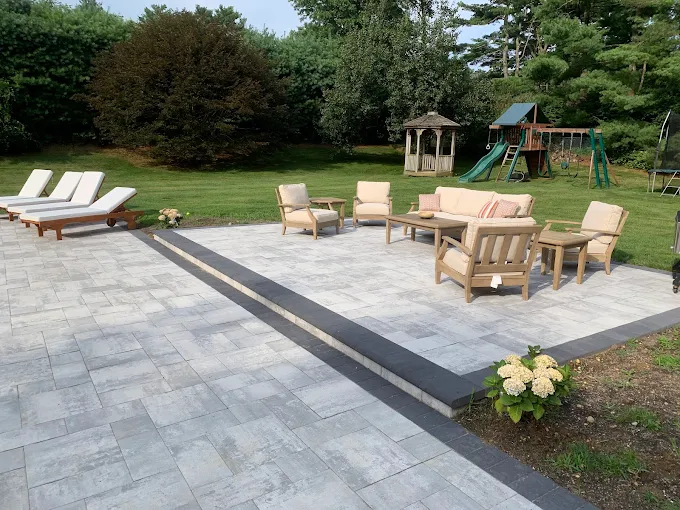
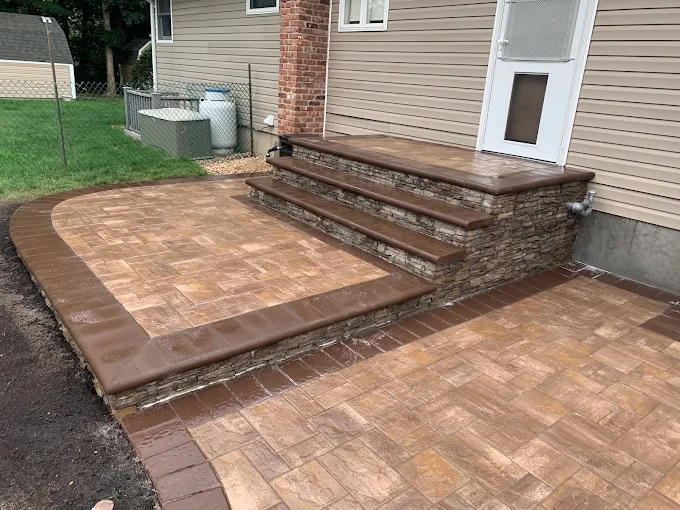
A contractor may remove the failed asphalt, rebuild the supporting base, improve the surrounding grade, and install new edge material. Paver or stone borders may also be considered when they fit the driveway design and property conditions.
7. Loose Aggregate and a Rough Surface
When asphalt begins losing small stones from its surface, the condition is often called raveling. The driveway may feel rough, pitted, or covered with loose aggregate.
Watch for:
- Loose stones collecting along the edges
- A coarse or worn surface
- Progressive material loss
- Small pits developing in the asphalt
- The surface becoming increasingly difficult to clean
Localized raveling may sometimes be repaired. More widespread deterioration may require resurfacing or replacement, depending on how deeply the asphalt has failed.
8. Heaving and Uneven Transitions
Sections of a driveway may rise or shift because of soil movement, tree roots, moisture, frost heave, or failed base materials.
Uneven areas commonly appear near:
- Garage entrances
- Sidewalks
- Road aprons
- Drainage structures
- Previously repaired sections
- Paver or concrete transitions
These changes can create tripping hazards, drainage problems, and rough vehicle access. Repair may involve removing the displaced pavement, correcting the base, improving drainage, and creating a smoother transition.
9. Repairs That Keep Failing
If cracks, potholes, or depressions continue returning after repeated repairs, the underlying cause may not have been corrected.
Recurring damage may result from:
- A weak driveway base
- Poor drainage
- Unstable soil
- Inadequate previous preparation
- Widespread asphalt deterioration
- Improper repair materials
In these situations, another temporary patch may not be the most cost-effective solution. A contractor may recommend base reconstruction, resurfacing, an asphalt overlay, or complete tear-out and replacement.
Repair, Resurfacing, or Replacement?
The right solution depends on the extent of the damage and the condition of the driveway foundation.
Driveway Repair
Localized repairs may be appropriate for isolated cracks, potholes, edge damage, or small failed areas when the surrounding pavement remains stable.
Driveway Resurfacing
Resurfacing adds a new asphalt layer over an existing driveway. It may be suitable when the surface is worn but the base remains structurally serviceable.
Driveway Replacement
Complete replacement may be necessary when there is widespread cracking, repeated settlement, severe drainage failure, or extensive base damage.
A professional contractor should explain why a particular solution is recommended before work begins.

What Will a Paving Contractor Evaluate?
During an inspection, a contractor may examine:
- The type and extent of surface damage
- The condition of the supporting base
- Driveway slope and water flow
- Previous repairs
- Edge support
- Vehicle use
- Access to the work area
- Nearby walkways, landscaping, and structures
Ask for a written estimate that explains the recommended repair, preparation work, materials, drainage improvements, cleanup, payment terms, and warranty information.
Why Consider Island Driveways & Patios, Inc.?
Island Driveways & Patios, Inc. provides new asphalt installation, driveway repairs, resurfacing, overlays, grading, clearing, tear-out and replacement, custom paver borders, driveway aprons, and oil and stone chip seal.
The company can evaluate both the visible damage and contributing conditions such as drainage, grading, base preparation, and surrounding hardscaping. This can help property owners choose an appropriate solution rather than relying on repeated temporary repairs.
Frequently Asked Questions
Can a Cracked Asphalt Driveway Be Repaired?
It depends on the crack pattern, depth, width, and condition of the supporting base. Small isolated cracks may be repairable, while widespread alligator cracking may require resurfacing or replacement.
Why Is My Driveway Sinking?
Common causes include base settlement, erosion, poor drainage, unstable soil, and inadequate compaction during the original installation.
Can a Driveway With Potholes Be Resurfaced?
Damaged sections and failed base areas usually need to be repaired before resurfacing. Applying an overlay over unstable pavement may allow the damage to return.
How Do I Choose a Paving Contractor?
Check licensing, insurance, local project experience, preparation methods, drainage plans, written estimates, customer reviews, and warranty terms before hiring.
Contact a Paving Contractor in Suffolk County, NY
Noticing cracks, potholes, standing water, sinking areas, or crumbling asphalt? Contact Island Driveways & Patios, Inc. to arrange a driveway evaluation and discuss repair, resurfacing, or replacement options.
- Address: 3502 Horseblock Rd, Medford, NY
- Phone: 631-245-9273
- Email: info@islanddriveway.com
- View Island Driveways & Patios on Maps
Reach out today to request a personalized driveway consultation and project estimate.